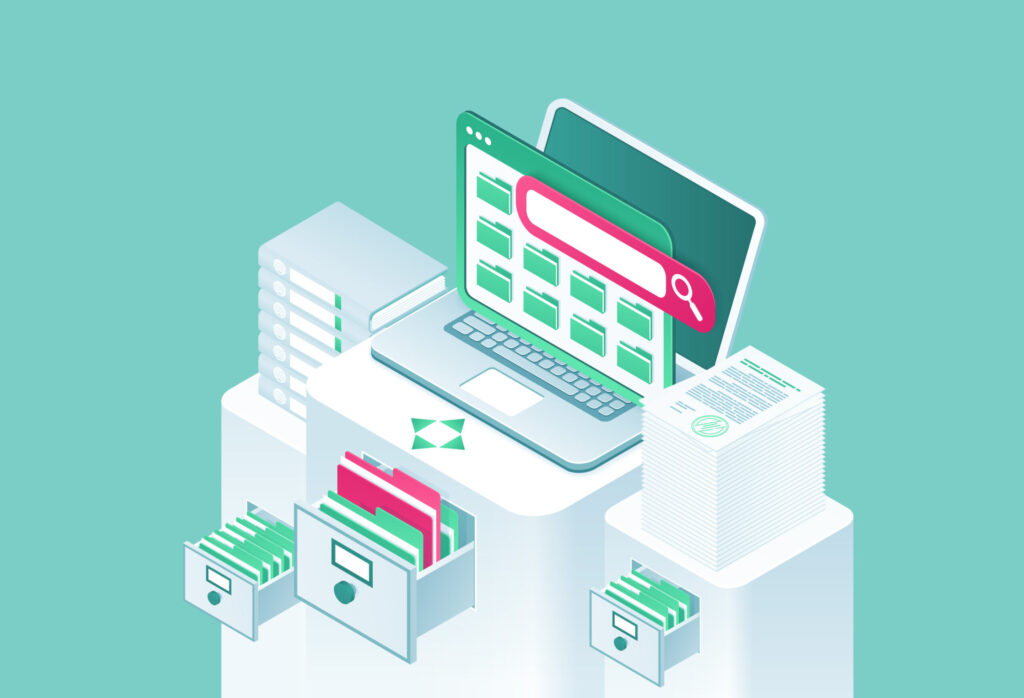
Many businesses believe they have document management “covered” because they use file sharing platforms like Google Drive, OneDrive, Dropbox, or SharePoint. These tools are excellent for collaboration and basic file access, but they are not the same as a true Document Management System (DMS).
As organizations face growing compliance requirements, audit scrutiny, remote work demands, and information sprawl, the difference between file sharing and document management becomes critical. Confusing the two can lead to security gaps, compliance failures, version confusion, and operational inefficiencies that only surface when something goes wrong—during an audit, lawsuit, or data breach.
This article explains the key differences between DMS platforms and file sharing tools, why they are often mistaken for each other, and when businesses need more than shared folders to manage their documents effectively.
Why File Sharing Platforms Are So Common
File sharing platforms are popular because they are:
- Easy to deploy
- Familiar to employees
- Affordable or bundled with productivity suites
- Useful for basic collaboration
- Accessible from anywhere
They work well for:
- Sharing drafts
- Collaborating on active documents
- Storing non-sensitive files
- Small teams with minimal compliance requirements
However, convenience does not equal control.
What a File Sharing Platform Is Designed to Do
File sharing platforms are built primarily to:
- Store files
- Sync files across devices
- Allow basic sharing and collaboration
- Support version snapshots (limited)
They assume users will:
- Name files correctly
- Place them in the right folders
- Follow internal rules consistently
- Manually manage retention and access
This user-dependent model breaks down as organizations grow or become regulated.
What a Document Management System (DMS) Is Designed to Do
A Document Management System is built to control documents throughout their entire lifecycle, from creation to final destruction.
A DMS focuses on:
- Governance
- Compliance
- Security
- Consistency
- Accountability
- Audit readiness
Unlike file sharing platforms, a DMS is designed to reduce reliance on human behavior by enforcing rules automatically.
Key Differences Between a DMS and File Sharing Platforms
1. Governance vs. Convenience
File Sharing Platforms
- Governed by users
- Relies on manual folder structures
- Rules are informal and often ignored
Document Management Systems
- Governed by system rules
- Enforces consistent processes
- Reduces user discretion
This distinction matters in regulated environments where consistency is mandatory.
2. Document Lifecycle Management
File Sharing Platforms
- No true lifecycle control
- Files live indefinitely unless manually deleted
- Retention is inconsistent
Document Management Systems
- Tracks documents from creation to destruction
- Applies retention schedules automatically
- Prevents premature deletion or over-retention
Retention compliance is one of the biggest gaps between the two systems.
3. Version Control and Document Integrity
File Sharing Platforms
- Multiple versions often exist simultaneously
- Users may edit copies offline
- Version confusion is common
Document Management Systems
- Maintains a single authoritative version
- Tracks all revisions
- Logs who made changes and when
- Prevents outdated documents from being used
This is critical for contracts, policies, SOPs, and regulated documentation.
4. Audit Trails and Accountability
File Sharing Platforms
- Limited activity logs
- Not designed for audits
- Difficult to reconstruct historical actions
Document Management Systems
- Detailed audit trails
- Tracks access, edits, approvals, and downloads
- Provides defensible records for audits and legal proceedings
Auditors expect this level of visibility.
5. Access Control and Security
File Sharing Platforms
- Basic permission settings
- Often overly permissive
- Links can be shared externally
- Hard to enforce least-privilege access
Document Management Systems
- Role-based access controls
- Granular permissions by document type
- Restricted downloads and sharing
- Stronger internal controls
This reduces insider risk and accidental disclosures.
6. Compliance Readiness
File Sharing Platforms
- Not compliance-driven by design
- Limited support for HIPAA, ISO, SOC 2, FINRA, FERPA
- Requires heavy customization to approach compliance
Document Management Systems
- Built with compliance in mind
- Supports regulated workflows
- Enables retention, access logging, and secure destruction
Compliance frameworks expect DMS-level controls, not shared folders.
7. Search and Metadata Management
File Sharing Platforms
- Searches file names and basic text
- Relies on folder structure
Document Management Systems
- Uses metadata, indexing, and OCR
- Enables advanced search by:
- Client
- Case number
- Document type
- Date
- Status
- Client
This dramatically improves retrieval speed and accuracy.
8. Workflow Automation
File Sharing Platforms
- Minimal or manual workflows
- Requires third-party tools to automate processes
Document Management Systems
- Built-in workflows for:
- Approvals
- Reviews
- Routing
- Notifications
- Compliance checks
- Approvals
Workflows reduce delays and human error.
9. Legal Hold and Litigation Support
File Sharing Platforms
- Difficult to place legal holds
- Risk of accidental deletion
- Weak discovery support
Document Management Systems
- Supports legal holds
- Prevents destruction during litigation
- Enables structured eDiscovery
This is a major factor for legal and regulated industries.
10. Defensible Destruction
File Sharing Platforms
- Deletion is manual and undocumented
- No proof of compliant destruction
Document Management Systems
- Tracks retention expiration
- Manages secure destruction
- Provides certificates and logs
Defensible destruction reduces long-term liability.
Industries Where the Difference Matters Most
Healthcare
HIPAA requires strict access control, audit trails, and retention management that file-sharing platforms alone cannot provide.
Financial Services
FINRA, SEC, and GLBA expectations exceed basic file-sharing capabilities.
Legal
Attorney-client privilege, version control, and litigation readiness demand DMS-level governance.
HR Departments
Employee records require controlled access, retention tracking, and audit logs.
Education
FERPA compliance depends on secure access and documented handling.
Manufacturing and Engineering
ISO standards require version control and documented processes.
Why Businesses Mistake File Sharing for Document Management
This confusion usually happens because:
- File sharing platforms use the word “documents”
- Vendors market collaboration features heavily
- Early-stage businesses don’t feel compliance pressure
- Problems don’t surface until audits or disputes
By the time issues appear, remediation is often costly.
Can File Sharing and DMS Work Together?
Yes, and often they should.
A common hybrid approach is:
- DMS for controlled, regulated, and long-term records
- File sharing for active collaboration and drafts
The key is understanding which documents belong where.
Signs Your Business Has Outgrown File Sharing Alone
You may need a DMS if:
- Audits are becoming more frequent
- Compliance requirements are increasing
- Employees struggle to find the correct version
- Documents are being duplicated or lost
- Retention rules are unclear or unmanaged
- Security concerns are growing
- Legal or regulatory exposure is rising
These are signals that governance, not convenience, is now the priority.
How a DMS Reduces Risk and Improves Efficiency
A properly implemented DMS provides:
- Consistency across departments
- Reduced compliance risk
- Faster audits
- Improved accountability
- Better document integrity
- Long-term cost savings
It transforms documents from liabilities into managed assets.
File sharing platforms and document management systems serve very different purposes. While file sharing tools are excellent for collaboration and convenience, they lack the governance, compliance, and control required for managing critical business records.
As organizations grow and regulations tighten, relying on file sharing alone creates unnecessary risk. Understanding the difference and deploying the right tool for the right job protects your business, your data, and your future.
Emerald Document Imaging helps organizations implement secure Document Management Systems that complement existing file sharing platforms, providing the structure, compliance, and control that modern businesses require.
Find the best Document Management System for your business →