In 2026, New York City businesses face more pressure than ever to protect sensitive information. From healthcare providers and financial firms to law offices, real estate companies, and growing startups, organizations across NYC handle documents containing personal, financial, and confidential data every day.
At the same time, privacy regulations are expanding, enforcement is increasing, and data breaches, many involving paper records, continue to make headlines. Simply throwing documents in the trash or relying on an office shredder is no longer enough.
To stay compliant, reduce risk, and protect clients and employees, NYC businesses must adopt secure, documented, and regulation-ready document shredding practices.
This article explains what secure and compliant shredding looks like in 2026, which regulations apply to NYC businesses, common mistakes to avoid, and how professional shredding services help organizations meet modern compliance standards.
Why Document Shredding Still Matters in a Digital World
Even as businesses move toward cloud platforms and digital workflows, paper records remain a significant risk.
NYC businesses continue to generate paper through:
- Contracts and legal filings
- HR and payroll documents
- Patient intake forms
- Financial statements
- Client correspondence
- Invoices and receipts
- Applications and ID copies
Paper records are often:
- Left on desks or printers
- Stored in unsecured cabinets
- Handled by multiple employees
- Disposed of inconsistently
In many data breach investigations, improperly discarded paper documents are still a contributing factor.
Secure shredding closes this gap.
Key Regulations NYC Businesses Must Consider in 2026
NYC organizations operate under overlapping federal, New York State, and industry-specific regulations. Document shredding is a required or strongly recommended component of compliance under many of these laws.
1. New York SHIELD Act
The SHIELD Act requires businesses to implement “reasonable safeguards” to protect private information, including proper disposal.
Covered data includes:
- Social Security numbers
- Driver’s license numbers
- Financial account information
- Biometric identifiers
- Health information
Shredding is one of the primary acceptable methods for disposing of paper records under the law.
2. HIPAA (Healthcare Organizations)
Healthcare providers and business associates must securely destroy any paper containing Protected Health Information (PHI).
HIPAA requires:
- Secure destruction methods
- Controlled access
- Documented processes
- Business Associate Agreements (BAAs) with vendors
Failure to shred PHI properly can lead to fines and enforcement actions.
3. FINRA & SEC (Financial Services)
Financial institutions must protect customer information and maintain documented records management practices.
Secure shredding is essential for:
- Client files
- Transaction records
- Compliance documentation
- Internal audits
4. FACTA & GLBA
Businesses handling consumer financial data must prevent unauthorized access during disposal.
Improper disposal can expose companies to:
- Regulatory penalties
- Civil liability
- Identity theft claims
5. Employment & Labor Laws
NYC employers must securely destroy:
- Employee records
- Payroll data
- Benefits information
- Disciplinary files
These records often contain highly sensitive PII.
6. Industry and Contractual Requirements
Law firms, real estate companies, government contractors, and nonprofits may face additional contractual or licensing requirements related to document destruction.
What Secure and Compliant Shredding Looks Like in 2026
Compliance in 2026 goes beyond “documents were shredded.”
Regulators and auditors increasingly expect businesses to demonstrate:
- Secure collection
- Controlled access
- Documented chain of custody
- Verified destruction
- Consistent processes
- Proof of compliance
That means shredding must be intentional, documented, and auditable.
Common Shredding Mistakes NYC Businesses Still Make
Despite the risks, many organizations continue to rely on outdated or incomplete practices.
Mistake #1: Using Office Shredders
Office shredders:
- Jam frequently
- Encourage inconsistent use
- Are not monitored
- Do not provide proof of destruction
They are not suitable for compliance-driven environments.
Mistake #2: Letting Employees Decide What to Shred
Without a clear policy, sensitive documents are often:
- Thrown away accidentally
- Recycled improperly
- Left unsecured
A “shred-all” approach is far safer.
Mistake #3: Storing Shred Piles or Bags
Documents waiting to be shredded are still exposed.
Unlocked bins, boxes, or trash bags defeat the purpose of shredding.
Mistake #4: No Documentation
Without certificates of destruction or service logs, businesses cannot prove compliance during audits or investigations.
Mistake #5: Ignoring Digital Media
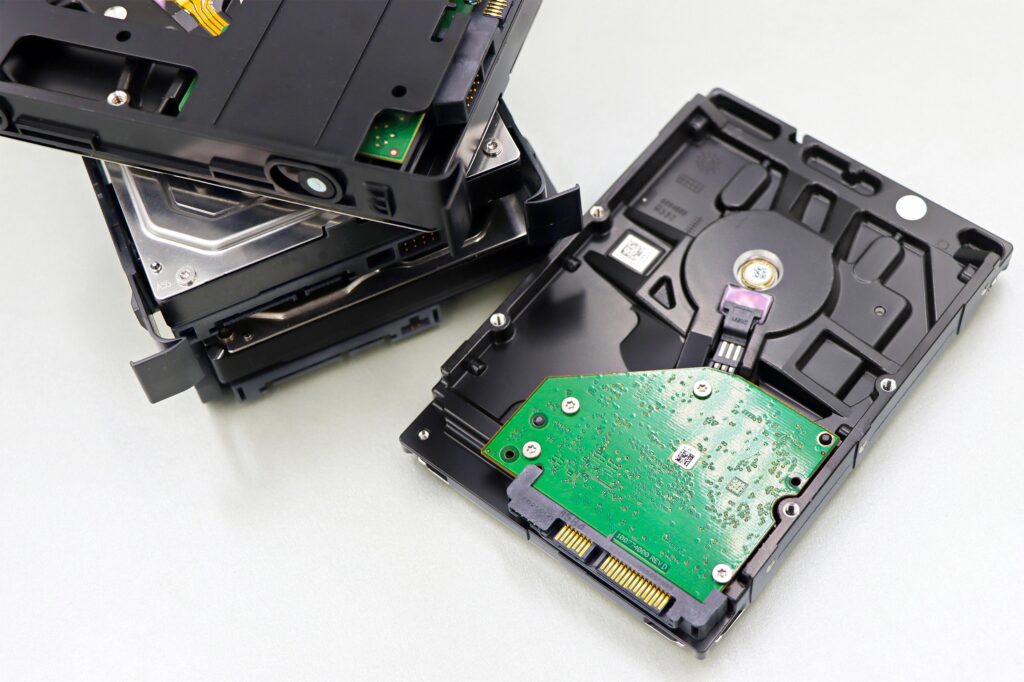
Hard drives, USBs, and backup tapes often contain sensitive data and must also be destroyed securely.
How Professional Shredding Services Ensure Compliance
Professional shredding services are designed specifically to meet regulatory requirements in environments like NYC.
1. Locked Collection Consoles
Secure shredding programs begin with locked containers placed throughout the office:
- HR departments
- Finance offices
- Legal departments
- Front desks
- Copy rooms
Employees deposit documents directly into locked bins, eliminating unsecured handling.
2. Secure Chain of Custody
Professional providers maintain documented chain-of-custody through:
- Barcoded containers
- Trained, background-checked staff
- Secure transportation
- Logged handling at every stage
This protects businesses during audits or legal disputes.
3. Onsite vs. Offsite Shredding
NYC businesses can choose based on sensitivity and volume.
Onsite Shredding
- Mobile shredding trucks
- Destruction occurs at your location
- Ideal for highly regulated industries
Offsite Shredding
- Secure transport to shredding facility
- Cost-effective for large volumes
- Still fully compliant
Both options meet compliance standards when performed by certified providers.
4. Certificates of Destruction
After each service, businesses receive formal documentation that includes:
- Date of destruction
- Method of destruction
- Confirmation of compliance
- Chain-of-custody verification
These certificates are critical during audits.
5. Scheduled, Routine Service
Professional shredding ensures consistency with:
- Weekly
- Bi-weekly
- Monthly
- Quarterly
- Custom schedules
Regular service prevents accumulation and reduces risk.
6. Secure Destruction of Digital Media
Professional shredding services also handle:
- Hard drives
- Servers
- Backup tapes
- USB drives
- CDs/DVDs
Digital media is destroyed using methods that meet data destruction standards.
Industries in NYC That Face the Highest Shredding Risk
While all businesses benefit from secure shredding, some face heightened risk.
Healthcare
HIPAA violations involving paper records remain common.
Financial Services
Client trust and regulatory scrutiny demand strict disposal controls.
Law Firms
Attorney-client privilege requires secure document handling even after cases close.
Real Estate & Property Management
Applications, leases, and background checks contain sensitive PII.
HR Departments
Employee files are among the most sensitive records in any organization.
Education & Nonprofits
FERPA and donor privacy requirements demand secure destruction.
How to Build a Compliant Shredding Program in 2026
NYC businesses should follow these best practices:
- Adopt a written shredding policy
- Implement locked consoles throughout the office
- Schedule regular shredding services
- Use a certified shredding provider
- Train employees annually
- Maintain certificates of destruction
- Include digital media in destruction plans
- Align shredding with retention schedules
These steps create a defensible, compliant program.
Why Local NYC Shredding Providers Matter
NYC presents unique logistical challenges:
- Building access restrictions
- Freight elevator scheduling
- After-hours service requirements
- Limited loading zones
- High-density offices
Local shredding providers understand these realities and minimize disruption.
The Cost of Noncompliance Is Rising
Regulators are less forgiving, and data breaches are more expensive than ever.
Potential consequences include:
- Fines and penalties
- Lawsuits
- Loss of customer trust
- Regulatory investigations
- Reputational damage
Professional shredding is a small investment compared to the cost of failure.
In 2026, secure and compliant document shredding is no longer optional for NYC businesses; it’s a fundamental part of risk management and regulatory compliance.
By moving beyond office shredders and informal disposal methods, organizations can protect sensitive information, meet evolving legal requirements, and operate with confidence in one of the most regulated business environments in the country.
Emerald Document Imaging helps NYC businesses implement secure, compliant shredding programs with locked consoles, onsite and offsite shredding options, full chain-of-custody documentation, and certificates of destruction, ensuring peace of mind in 2026 and beyond.