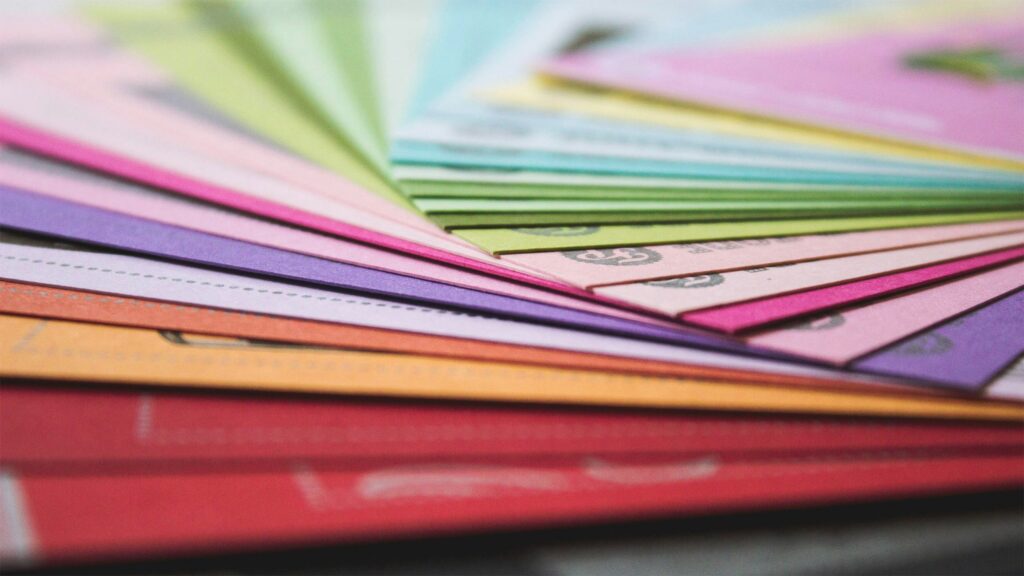
In production printing, paper is not just a surface; it’s a performance variable. The weight, thickness, coating, texture, and finish of your media directly affect print quality, durability, cost, and finishing compatibility.
This guide explains paper weight measurements, common media types used in production printing, and how to choose the right stock for your application.
Selecting the wrong paper can lead to jams, poor color output, cracking during folding, or unprofessional results. Selecting the right one improves both presentation and efficiency.
Understanding Paper Weight: GSM vs. Bond vs. Cover
One of the biggest sources of confusion in production printing is paper weight terminology.
1. GSM (Grams Per Square Meter)
GSM is the most consistent global measurement. It indicates how much one square meter of paper weighs.
Common GSM ranges:
- 70–100 GSM: Standard office paper
- 100–170 GSM: Light brochure stock
- 170–250 GSM: Heavy marketing materials
- 250–350+ GSM: Cardstock and covers
Higher GSM generally means thicker and more durable paper.
2. Bond Weight (U.S. Standard)
In the U.S., bond weight is often used for office paper.
Examples:
- 20 lb bond (standard copy paper)
- 24 lb bond
- 28 lb bond
Bond weight is not directly equivalent to GSM, which causes confusion. For example:
- 20 lb bond ≈ 75–80 GSM
- 100 lb cover ≈ 270 GSM
Production environments often rely on GSM for accuracy.
3. Cover vs. Text Stock
In commercial printing, you’ll often see:
- Text weight – Used for inside pages
- Cover weight – Used for heavier outer sheets
Example:
- 100 lb text (lighter interior brochure pages)
- 100 lb cover (thicker exterior cover)
Understanding these distinctions helps ensure consistent results.
Why Paper Weight Matters in Production Printing
Paper weight affects:
- Image quality
- Toner adhesion
- Ink absorption
- Folding durability
- Mailing costs
- Finishing compatibility
Production printers are designed to handle heavier stocks than standard office copiers, but every device has limits.
Using paper outside recommended ranges can:
- Increase jams
- Cause fusing problems
- Lead to cracking on folds
- Shorten equipment lifespan
Common Media Types in Production Printing
1. Uncoated Paper
Uncoated paper has a natural, matte finish.
Common uses:
- Letterhead
- Forms
- Internal documents
- Books
Advantages:
- Good writability
- Lower cost
- Less glare
Ink absorbs more readily, resulting in a softer appearance.
2. Coated Paper (Gloss or Matte)
Coated paper includes a surface layer that controls ink absorption.
Types include:
- Gloss coated
- Matte coated
- Silk or satin finishes
Common uses:
- Brochures
- Marketing collateral
- Flyers
- Catalogs
Coated stocks produce sharper images and more vibrant colors.
Production presses often require specific fuser settings for coated stocks to prevent smudging or improper adhesion.
3. Cardstock
Cardstock typically ranges from 200–350+ GSM.
Used for:
- Business cards
- Postcards
- Presentation covers
- Packaging inserts
Not all devices handle heavier cardstock equally. Always confirm media specifications.
4. Synthetic Media
Synthetic papers are waterproof and tear-resistant.
Used for:
- Menus
- Outdoor signage
- Instruction sheets
- Industrial tags
These require compatible toner or ink settings and may need lower-speed runs for optimal adhesion.
5. Specialty Textured Stocks
Textured paper adds tactile appeal.
Examples include:
- Linen
- Felt
- Laid finishes
Used in:
- Invitations
- Premium marketing pieces
- Executive presentations
However, heavy texture can affect image sharpness and toner bonding.
Testing is recommended before large runs.
Paper Weight and Folding Performance
Heavier stocks require scoring before folding to prevent cracking.
Without proper scoring:
- Toner may fracture along fold lines
- Paper fibers may split
- Finished products look unprofessional
Production printers with inline finishing often include scoring modules for heavy stocks.
Understanding this prevents costly reprints.
Paper Weight and Mailing Costs
Heavier paper increases:
- Postage rates
- Shipping expenses
- Packaging requirements
For direct mail campaigns, even small weight increases can significantly impact overall cost.
Balancing durability with mailing efficiency is part of strategic media selection.
Inkjet vs. Toner Media Considerations
Media compatibility varies by technology.
Toner-Based Production Presses
- Strong on coated stocks
- Consistent image control
- Reliable heavy-stock handling
Inkjet Production Presses
- Perform best on uncoated or treated stocks
- May require specialty primers for coated paper
- Often excel in high-volume transactional printing
Matching media to press technology improves both quality and ROI.
Toner vs. Inkjet Production Presses: What’s the Difference? →
Environmental and Sustainability Considerations
Many organizations prioritize sustainable media options.
Look for:
- FSC-certified paper
- Recycled content
- Chlorine-free processing
Paper choice impacts environmental footprint and brand positioning.
Sustainability can also influence purchasing decisions for customers.
How to Choose the Right Paper for Your Application
Before selecting media, ask:
- What is the purpose of this print piece?
- Is durability important?
- Does it need to mail efficiently?
- Will it be folded or finished inline?
- Is color vibrancy critical?
For example:
- Annual reports often use heavier cover stock and mid-weight interior text.
- Direct mail campaigns may balance lighter weight with coated surfaces.
- Event programs may prioritize premium feel over cost.
Paper should align with function, not just appearance.
Testing Before Large Runs
Production environments should test new media before committing to large quantities.
Test for:
- Toner adhesion
- Curling
- Smudging
- Fold performance
- Finishing compatibility
Testing prevents expensive mistakes.
Print Quality Problems in Production Printing (and How to Fix Them) →
The Cost Impact of Media Choice
Paper often represents a significant portion of total print cost.
Higher GSM and coated stocks increase per-piece cost.
However, the right media may:
- Improve response rates
- Enhance brand perception
- Increase durability
Media choice affects both cost structure and effectiveness.
How to Calculate ROI on a Production Printing Press →
Paper weight and media type play a central role in production printing performance. Understanding GSM, coatings, textures, and compatibility ensures your materials look professional and your equipment runs efficiently.
Choosing the right paper is not just a design decision; it’s a technical and financial one.
Contact us to determine the ideal paper weight and media type for your production printing needs.