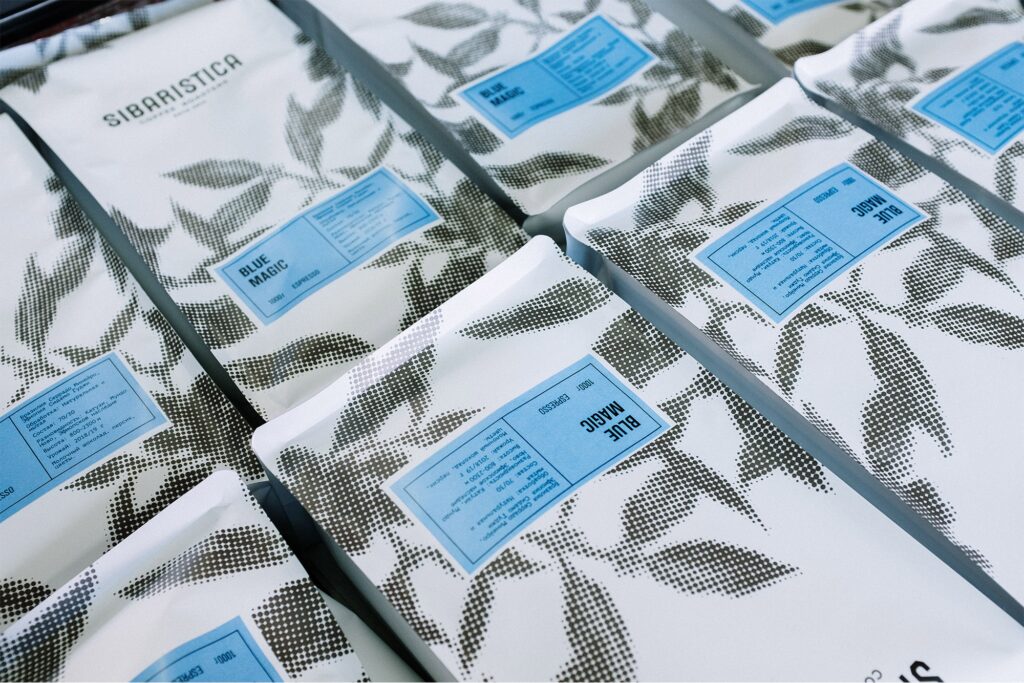
Packaging and product labels are usually the last thing a growing business thinks to bring in-house, mostly because label printing sounds like a specialized job that requires specialized equipment. For short runs and mid-size batches, that assumption is often wrong.
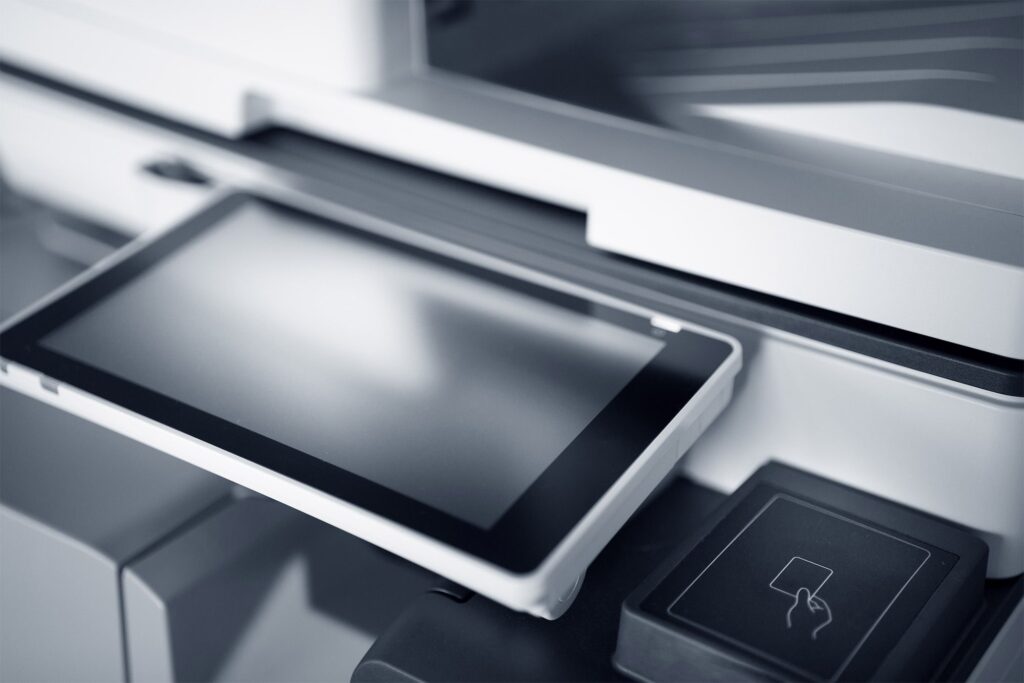
A well-equipped production printer, the same kind of device used for marketing collateral and business documents, can also handle a meaningful share of packaging and label work without the lead times and minimum order quantities that come with an outside packaging vendor.
Here’s where in-house production print makes sense for packaging and labels, and where it doesn’t.
What Kinds of Packaging Work Fit on a Production Press
Production printers are well suited to flat or simply-folded packaging components: product labels, hang tags, inserts, folding cartons on pre-scored stock, and short-run retail packaging that doesn’t require specialized converting equipment. They’re not a substitute for high-volume corrugated packaging or complex die-cut structural packaging, which still belongs with a dedicated packaging manufacturer.
Why Businesses Bring This In-House
Short Runs and Frequent Changes
Product labels change more often than most printed materials, new ingredient disclosures, seasonal packaging variants, small-batch product lines, or a rebrand that needs to roll out before old stock is used up. Outside packaging vendors often require minimum order quantities that don’t match this pace of change, while an in-house production press can print exactly what’s needed, when it’s needed.
Faster Turnaround for New Products
Launching a new product or variant on a tight timeline is far easier when labels and packaging aren’t waiting on an outside vendor’s production queue. This matters especially for food, beverage, cosmetics, and specialty retail businesses that iterate on packaging frequently.
Specialty Finishes Without a Separate Vendor
Modern production presses can apply white ink, clear coat, and specialty color layers that go beyond standard CMYK, which matters for packaging that needs to stand out on a shelf or include a spot-gloss brand element. Our piece on how production printing supports in-house marketing teams covers what these specialty capabilities look like in practice.
What to Consider Before Bringing Label Printing In-House
- Substrate compatibility: label stock, adhesive-backed media, and packaging board all print differently than standard office paper
- Durability requirements: labels exposed to moisture, refrigeration, or handling need appropriate toner and laminate options
- Regulatory requirements: food, beverage, and cosmetics labeling often has specific legibility and content requirements worth confirming with your equipment provider
- Volume thresholds: at high enough volume, a dedicated label press or outside converter may still be more cost-effective than a general production printer
In-House vs. Outsourcing: Where the Line Is
The decision usually comes down to volume and complexity. Low to moderate volume, frequent variation, and standard flat or lightly-converted packaging tend to favor in-house production. High volume, complex structural packaging, or specialized substrates tend to favor an outside packaging manufacturer. Our guide on the real cost of outsourcing versus bringing print in-house walks through that math in more detail, and the same logic largely applies to packaging and label work.
Getting Started
Businesses considering this usually start by identifying which packaging and label items are printed most frequently and in the smallest batches, since those are the clearest candidates for moving in-house first. High-volume, stable packaging that rarely changes is often left with the existing outside vendor, at least initially, while the frequently changing, smaller-batch items move to an in-house press.
What a Realistic First Project Looks Like
Most businesses don’t start by moving their entire packaging operation in-house on day one. A more typical first step is picking one product line, often a new or frequently updated item, and running its labels or short-run packaging on the production press for a season before deciding whether to expand the approach further. This limits the risk while giving the team hands-on experience with substrate handling, color matching, and finishing before committing more broadly.
During that trial period, it’s worth tracking a few specific numbers: how much time is saved compared to coordinating with an outside vendor, how the per-unit cost compares once you include labor and consumables, and whether the print quality consistently meets the standard your product needs on a retail shelf or in a customer’s hands. Those numbers make the case for expanding, or for pulling back, far more convincingly than a general impression.
It also helps to loop in whoever handles compliance or regulatory review early, particularly for food, beverage, or cosmetics packaging, so that label content and legibility requirements are built into the process from the start rather than discovered after a batch is already printed.
Training Whoever Will Run the Job
Packaging and label work has a steeper learning curve than standard document printing, since substrate handling, color matching, and finishing all behave differently than they do on plain paper. Whoever ends up running these jobs, whether that’s an existing office administrator or a dedicated production employee, benefits from hands-on training with your specific equipment provider rather than being left to figure out label stock quirks through trial and error on a live customer order.
It’s also worth building a simple reference sheet for common jobs, which substrate and settings combination worked for a given label type, so that knowledge doesn’t live only in one person’s head. Businesses that skip this step often find themselves re-solving the same substrate or color-matching problem every time a new employee takes over label production.
Frequently Asked Questions
Can a production printer handle waterproof or freezer-safe labels?
Many production presses can print on durable, adhesive-backed label stock designed for these conditions, but it depends on the specific toner and substrate combination. Confirm durability requirements with your provider before committing to a substrate.
Is in-house label printing cheaper than outsourcing?
For low to moderate volumes with frequent changes, yes, often significantly. For very high, stable volumes, an outside packaging vendor or dedicated label press may still have a cost advantage.
Do we need special software to design packaging for a production press?
Standard design software like Adobe Illustrator or InDesign works fine for most packaging and label projects. The production press itself handles the printing, not the design process.
Can a production printer handle die-cut or specially shaped labels?
Basic die-cut label stock with pre-cut shapes on a roll or sheet works fine. Complex structural packaging with custom cutting typically still requires a dedicated converting step outside the printer itself.
What volume of labels justifies bringing printing in-house?
There’s no single threshold, but businesses printing labels or packaging components at least weekly, in batches too small to meet an outside vendor’s minimum order, are usually good candidates.
Do specialty finishes like clear coat or white ink cost significantly more?
They typically add cost per page compared to standard color printing, but for packaging where shelf appearance matters, the visual difference is often worth the added expense on the pieces that need it.
Bring Packaging and Label Printing In-House
If your business is printing labels or packaging in small, frequent batches, a production press might save you the wait on outside vendors. Explore our production printers or contact us to talk through whether your packaging volume fits an in-house setup.