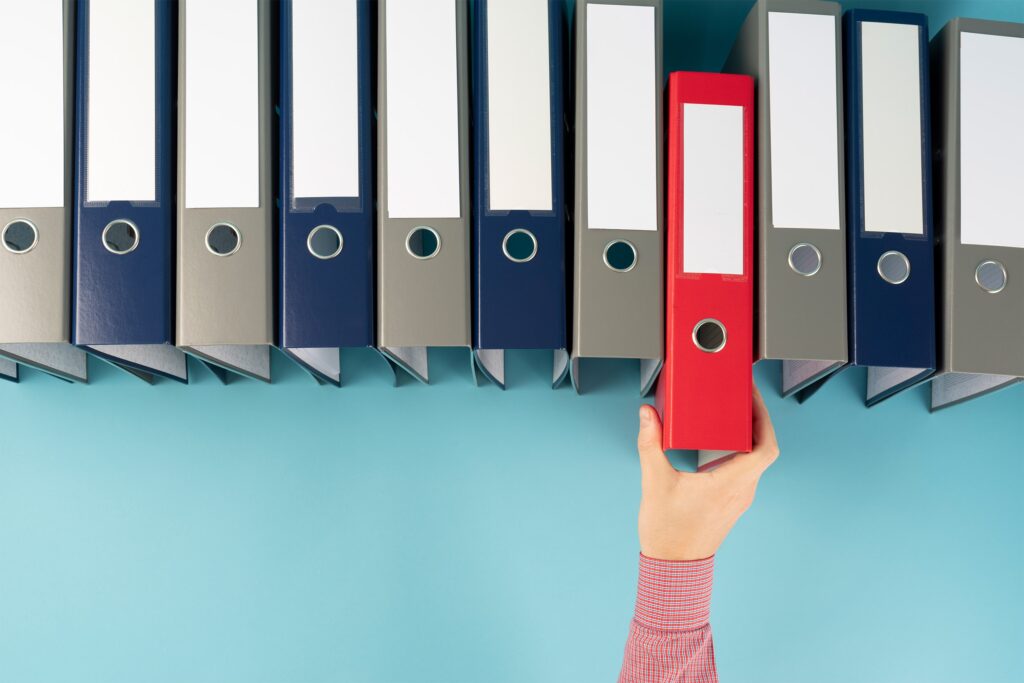
In many offices, especially those with years of operational history, the archive room becomes an afterthought. Over time, boxes pile up, aisles narrow, and fire codes become an afterthought. What was once a designated storage space quietly turns into a serious liability. If your archive room is bursting at the seams, or if you wouldn’t want a fire marshal to walk through it, it may be time to rethink your long-term file storage strategy.
This article explores the risks of overcrowded storage spaces, the legal and regulatory consequences, and safer, smarter alternatives for long-term record retention.
The Hidden Dangers of Overstuffed Archive Rooms
A paper-based archive room may seem harmless, but it can become a significant fire hazard under the right (or wrong) conditions:
- Highly Flammable Materials: Paper burns easily and fuels rapid fire spread.
- Blocked Access Routes: Stacked boxes can obstruct emergency exits or sprinkler systems.
- Improper Electrical Usage: Extension cords or HVAC units running through paper-filled rooms pose ignition risks.
- Lack of Fire Suppression: Many archive rooms lack sprinklers or fire-retardant infrastructure.
The National Fire Protection Association (NFPA) outlines strict guidelines for commercial buildings, including clearance around sprinkler heads and maximum pile heights. Violations can not only lead to fines, they can put your entire building at risk.
Compliance Risks You Might Not Consider
Beyond fire risk, crowded archive rooms can also leave you vulnerable to compliance violations, particularly if your business is subject to record retention laws such as:
- HIPAA (for healthcare records)
- SOX (for financial records)
- FERPA (for educational institutions)
- FINRA (for broker-dealers and financial services)
Storing sensitive or regulated documents in an unsecured, disorganized archive room puts your business at risk of:
- Unauthorized access or data breaches
- Misplaced or destroyed records
- Failure to meet retention timelines
- Poor audit trails and chain of custody
Safe Alternatives for Long-Term File Storage
Fortunately, there are modern and secure alternatives that help you store records safely and remain compliant:
1. Offsite Document Storage Facilities
Offsite storage providers offer secure, climate-controlled environments specifically designed to store business records long-term. Key features often include:
- 24/7 surveillance and restricted access
- Fire suppression systems
- Barcode tracking and retrieval systems
- Chain-of-custody documentation
Related: What to Look for in a Secure Offsite Records Storage Facility
2. Digital Conversion & Scanning
Digitizing your archived files reduces physical storage needs and enhances accessibility. Scanned documents can be indexed, encrypted, and stored in cloud-based or on-premise Document Management Systems (DMS) for easy retrieval.
Explore: The Ultimate Guide to Document Scanning for Businesses
3. Hybrid Storage Strategy
Many businesses opt for a hybrid solution — digitizing active files and storing archived or compliance-mandated paper documents offsite. This approach balances cost, accessibility, and compliance.
Signs Your Archive Room Is Past Its Prime
- Boxes are stacked over 6 feet high
- You’ve run out of shelving space
- Fire extinguishers or sprinklers are blocked
- You can’t retrieve a document in under 10 minutes
- You’re unsure what’s in some of the boxes
If any of the above sound familiar, it’s time to act.
Next Steps: How to Transition to a Safer Storage Setup
- Conduct a File Audit: Identify what must be retained, what can be destroyed, and what can be digitized.
- Partner with a Trusted Storage Provider: Look for companies that offer HIPAA- or SOC-compliant offsite storage services.
- Create a Retention Policy: Ensure every file has a defined lifespan and a process for secure destruction.
- Update Emergency Protocols: Ensure that all remaining onsite storage complies with fire safety codes.
Protect Your Business and Your People
Letting your archive room grow unchecked isn’t just inconvenient, it can be dangerous. Whether you’re concerned about fire hazards, compliance, or simply running out of space, secure long-term storage alternatives are available.
Take the proactive route. Free up your office, protect your documents, and stay on the right side of regulations by moving toward safer file storage practices today.
Learn more about Offsite Document Storage and Document Scanning Services available to support your business’s future.