Architecture is a document-driven profession. From schematic design and construction drawings to presentation boards and as-built plans, firms rely heavily on accurate, high-quality large-scale output. Wide format printing for architecture firms is not simply about printing bigger pages; it’s about precision, clarity, workflow integration, and production efficiency.
As architectural projects become more complex and deadlines tighter, the ability to control large-format output internally can directly impact productivity, client communication, and profitability.
This guide explains how wide format printing supports architectural workflows, what features matter most, and how firms can evaluate the right equipment for their needs.
Why Wide Format Printing Matters in Architecture
Architectural documentation is inherently large-scale. Standard letter or legal-size printers simply cannot accommodate:
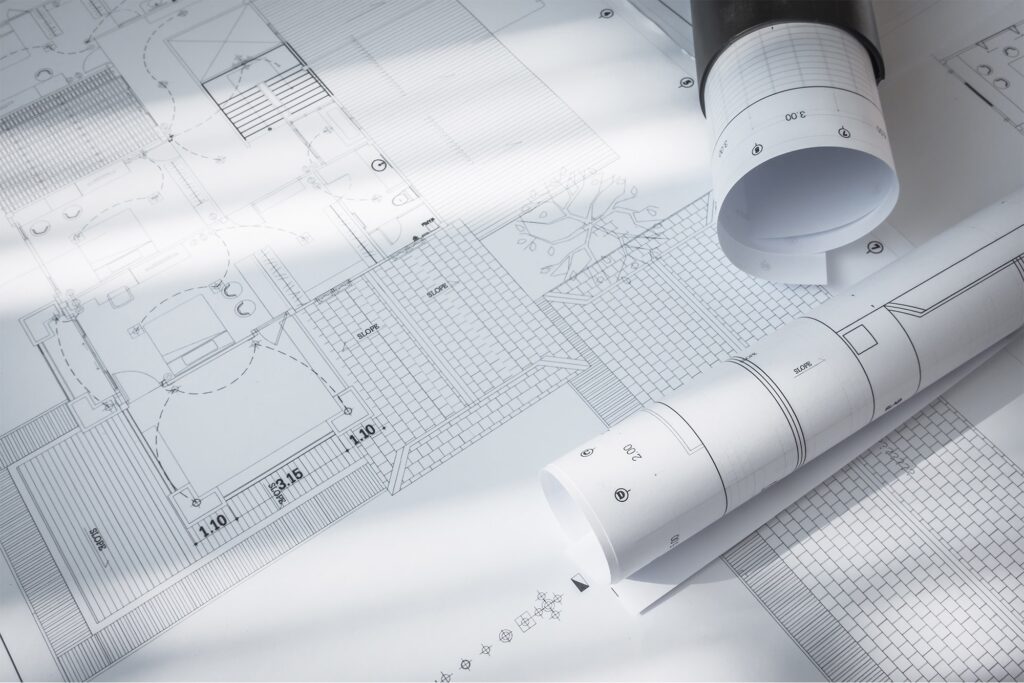
- Full-size construction drawings (ARCH D, ARCH E)
- Site plans
- Elevations and sections
- Mechanical and structural layouts
- Large presentation boards
- Renderings for client meetings
Wide format printing, typically supporting 24”, 36”, and larger roll-fed media, enables firms to produce these documents accurately and consistently in-house.
For architecture firms, this means:
- Faster turnaround on revisions
- Better version control
- Reduced outsourcing costs
- Improved client responsiveness
When design teams can print updated plans immediately, it shortens review cycles and keeps projects moving.
Core Applications of Wide Format Printing for Architecture Firms
1. Construction Drawings & Technical Plans
Precision is critical. Line weights must be sharp, text must be legible at scale, and grayscale gradients must reproduce clearly.
Modern wide format printers are engineered to:
- Produce crisp vector line work
- Maintain scale accuracy
- Handle dense CAD files without performance slowdowns
- Print on bond, vellum, and specialty media
Architects rely on consistent scaling. Any distortion can create costly field errors.
2. Color Renderings & Presentation Boards
While technical drawings are often monochrome, client-facing materials require color accuracy and vibrancy.
High-quality wide format systems support:
- Architectural renderings
- Perspective views
- Marketing boards
- Competition submissions
Advanced ink technologies and precise color calibration allow firms to present polished visuals without outsourcing to print shops.
3. Markups and Revisions
Architecture is iterative. Redlines and revisions are constant.
Wide format printing allows teams to:
- Print updated plan sets instantly
- Mark up drawings in real-time
- Reissue corrected sheets quickly
This responsiveness improves internal collaboration and reduces delays between design, engineering, and construction stakeholders.
In-House vs. Outsourced Wide Format Printing
Many architecture firms initially outsource large-format printing. While this may work for smaller practices, outsourcing introduces challenges:
- Delays waiting for print shops
- Version control risks
- Per-page markups
- Limited flexibility for urgent revisions
As project volume grows, in-house wide format printing often becomes more cost-effective and operationally efficient.
Cost Considerations
When evaluating wide format printing for architecture firms, consider:
- Average monthly print volume
- Frequency of revisions
- Outsourced per-sheet costs
- Rush fees
- Staff time lost retrieving prints
A mid-sized firm printing multiple sets per week may find that owning or leasing a wide format printer significantly reduces total output costs over time.
Key Features to Look for in a Wide Format Printer
Not all large-format printers are designed for architectural workflows. Here are the most important capabilities to evaluate:
1. Print Accuracy & Line Precision
Architectural drawings require precise line reproduction. Look for:
- High DPI resolution
- Dedicated CAD/technical drawing modes
- Reliable scaling calibration
Accuracy is not optional; it’s foundational.
2. Speed & Throughput
Firms working under deadlines cannot afford slow output.
Evaluate:
- First-print-out time
- Sheets per hour
- Processor performance for large CAD files
The right device should handle complex PDFs and DWG exports without lag or errors.
3. Media Flexibility
Architectural firms print on various materials, including:
- Bond paper
- Coated presentation media
- Vellum
- Recycled stock
Roll capacity, automatic roll switching, and cut-sheet compatibility improve flexibility.
4. Cloud & Network Integration
Modern architectural teams rely on shared drives, BIM platforms, and cloud storage.
Wide format systems should integrate with:
- Network print queues
- Secure print release systems
- Cloud repositories
- Document management systems
This ensures that large-format output fits seamlessly into digital workflows.
5. Security Controls
Architectural drawings often contain sensitive information, security layouts, proprietary designs, and infrastructure details.
Enterprise-grade wide format printers should include:
- User authentication
- Secure print release
- Encrypted data transmission
- Hard drive overwrite capabilities
Security is not just an IT concern; it’s a business risk issue.
Inkjet vs. Toner-Based Wide Format Systems
When considering wide format printing for architecture firms, the primary technologies are inkjet and toner-based systems.
Inkjet Wide Format Printers
Most architectural firms choose inkjet systems because they:
- Deliver excellent line precision
- Provide strong grayscale performance
- Offer superior color for renderings
- Operate at lower hardware costs
Inkjet systems are typically ideal for CAD-heavy environments.
Toner-Based Wide Format Printers
Toner systems may offer:
- Faster output speeds
- Lower cost per page at higher volumes
- Durable output for heavy handling
For firms producing high volumes of plan sets daily, toner-based options may be worth evaluating.
Workflow Efficiency: The Hidden ROI
The return on investment for wide format printing extends beyond cost per sheet.
1. Faster Project Cycles
Immediate access to updated drawings reduces delays between design iterations.
2. Improved Collaboration
Designers, engineers, and project managers can review printed drawings simultaneously, improving clarity and reducing miscommunication.
3. Enhanced Client Experience
When firms can produce large, high-quality renderings on demand, client meetings become more impactful and professional.
4. Reduced Administrative Burden
Staff no longer spend time:
- Coordinating with external print vendors
- Tracking orders
- Managing pickups
This reclaimed time increases productivity.
Leasing vs. Buying a Wide Format Printer
Architecture firms often ask whether to lease or purchase equipment.
Leasing may offer:
- Lower upfront cost
- Predictable monthly expenses
- Service and maintenance inclusion
- Easier technology upgrades
Purchasing may make sense for:
- Firms with stable, predictable output
- Long-term capital investment strategies
- Lower financing needs
The best choice depends on volume, cash flow strategy, and growth plans.
Wide Format Printing and Managed Print Strategy
For larger firms, wide format devices should not operate in isolation. They should be integrated into a broader managed print strategy.
This allows firms to:
- Track output usage
- Allocate costs by department
- Monitor consumable expenses
- Maintain proactive service schedules
Combining wide format systems with standard office MFPs under a unified management plan ensures better oversight and reduced downtime.
When Should an Architecture Firm Upgrade?
If your firm is experiencing:
- Frequent print slowdowns
- Poor line quality
- Rising maintenance costs
- Limited media flexibility
- Security limitations
It may be time to evaluate new wide format printing technology.
Technology evolves quickly, and newer systems offer significant gains in speed, integration, and operational reliability.
Choosing the Right Wide Format Partner
Selecting wide format printing for architecture firms is not just about hardware; it’s about support.
The right provider should offer:
- Workflow consultation
- Volume analysis
- On-site installation
- Ongoing maintenance and service
- Integration support
For architecture firms operating in competitive markets like New York and Long Island, while serving clients nationally, equipment reliability and service responsiveness are critical.
Wide format printing for architecture firms is an operational asset, not just a production tool. When implemented correctly, it reduces outsourcing costs, accelerates project timelines, strengthens collaboration, and improves client presentations.
As architectural workflows become increasingly digital and deadline-driven, firms that control their large-format output internally gain measurable advantages in speed, flexibility, and professionalism. If your firm is evaluating wide format printing solutions or looking to upgrade existing equipment, Emerald Document Imaging can help assess your volume, workflow, and long-term goals to recommend the right solution for your architectural team.