Architecture firms depend on precision. Every line weight, scale ratio, and annotation must be accurate, whether for internal design reviews, client presentations, or construction coordination. Wide format printing solutions for Long Island architecture firms play a central role in maintaining project clarity, meeting deadlines, and controlling production costs.
While digital design platforms and BIM tools dominate modern workflows, large-format printed drawings remain essential on job sites, in planning meetings, and during permitting processes. The key is aligning wide format print infrastructure with secure, efficient, and scalable workflows.
This article explains how architecture firms on Long Island can evaluate wide format solutions strategically, what features matter most, and how to ensure printing supports project delivery.
Why Wide Format Printing Remains Critical in Architecture
Even in highly digitized firms, printed drawings are indispensable for:
- Full-size construction drawings (ARCH D, ARCH E)
- Site plans and civil layouts
- Structural and MEP drawings
- Elevations and sections
- Client presentation boards
- Permit submissions
- As-built documentation
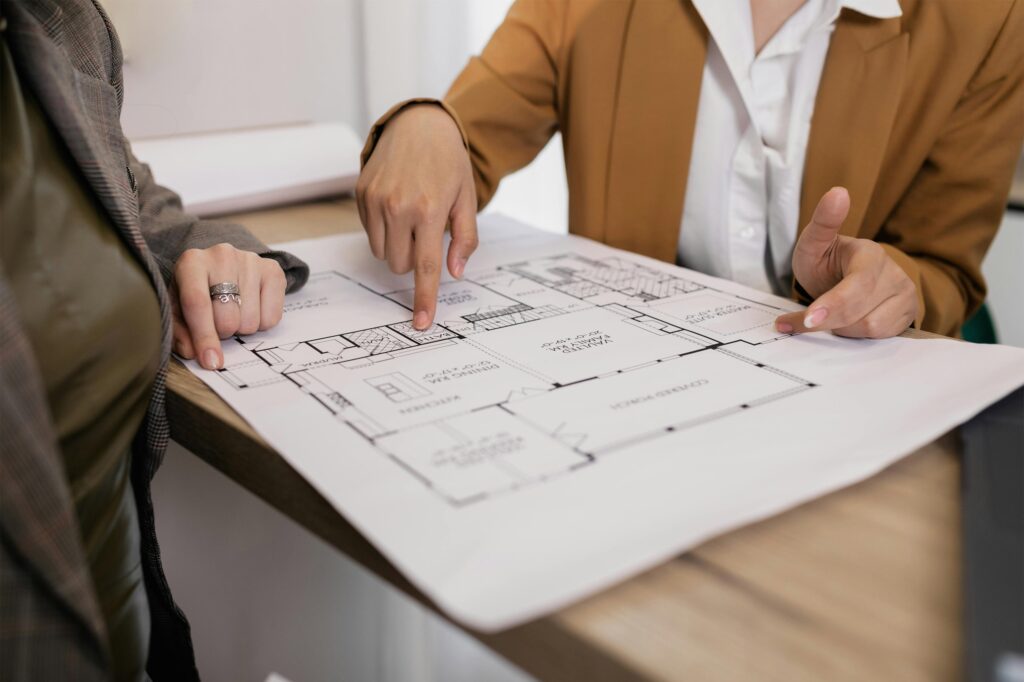
Field teams often rely on printed plans for quick referencing and markup. Large-format prints provide clarity that smaller screens or reduced-scale printouts cannot replicate.
For Long Island architecture firms working on commercial, municipal, residential, and mixed-use developments, rapid turnaround on plan revisions is essential.
Operational Challenges Architecture Firms Face
Many firms encounter print-related bottlenecks such as:
- Delays waiting for outsourced print shops
- Version confusion between printed and digital files
- Inconsistent line quality
- Slow output speeds
- Limited media flexibility
- Rising maintenance costs
Wide format printing solutions for Long Island architecture firms should eliminate these friction points while supporting high-volume, high-precision output.
Core Features to Evaluate in Wide Format Systems
Not all large-format printers are optimized for architectural workflows. The right system should support both technical accuracy and operational efficiency.
1. Line Precision & Scale Accuracy
Architectural drawings demand sharp vector line reproduction and consistent scaling.
Look for systems that offer:
- High-resolution output
- CAD-optimized print modes
- Accurate scaling calibration
- Consistent grayscale performance
Even slight distortions can cause costly field errors.
2. Fast First-Print-Out Time
Revisions are constant in architecture. Teams often need updated drawings immediately.
Wide format printers should provide:
- Rapid warm-up times
- Fast first-page output
- Efficient handling of complex PDFs
- Strong processor performance
Speed reduces downtime between design revisions.
3. Media Versatility
Architecture firms commonly print on:
- Bond paper
- Vellum
- Coated stock for presentations
- Recycled media
- Heavier stock for display boards
Roll capacity and automatic roll switching improve flexibility, especially when alternating between technical drawings and presentation materials.
4. Cloud & Network Integration
Modern firms operate across shared servers and cloud-based storage.
Wide format printing solutions for Long Island architecture firms should integrate with:
- Network drives
- BIM platforms
- Secure print queues
- Document management systems
- Remote access environments
Integrated workflows prevent file duplication and reduce version confusion.
5. Security Controls
Architectural drawings often include proprietary design details and infrastructure layouts.
Enterprise-grade security features should include:
- User authentication
- Secure print release
- Hard drive encryption
- Automatic data overwrite
- Encrypted data transmission
Protecting intellectual property is increasingly important, especially for commercial and municipal projects.
Best Wide Format Printers for Architecture, Engineering, and Construction (AEC) Firms →
In-House vs. Outsourced Wide Format Printing
Many architecture firms initially rely on local print shops. While outsourcing may work for low volume, it introduces several limitations:
- Turnaround delays
- Rush fees
- Version control risks
- Inconsistent quality
- Staff time spent coordinating pickups
For firms regularly printing revisions or multiple plan sets, in-house wide format solutions typically provide greater cost predictability and operational control.
A volume analysis often reveals that internal production reduces long-term expenses.
How Much Does It Cost to Print a Blueprint in 2026? →
Cost Considerations for Long Island Firms
Wide format printing costs typically include:
- Equipment lease or purchase
- Service agreement (maintenance & parts)
- Consumables (ink/toner, paper)
- Usage-based costs
Leasing is common because it:
- Preserves capital
- Bundles service agreements
- Provides predictable monthly budgeting
- Simplifies upgrades
For architecture firms operating in Nassau and Suffolk County, predictable budgeting supports project-based financial planning.
Integrating Wide Format Printing with Document Management
Many firms now pair wide format systems with document management software.
This integration allows:
- Controlled printing from approved file versions
- Digital archiving of printed sets
- Scanning of marked-up drawings back into the system
- Version tracking and audit trails
Wide format printing solutions for Long Island architecture firms should support seamless digital-to-print-to-digital workflows.
This reduces errors and improves compliance during project audits or disputes.
Supporting Growth & Multi-Office Coordination
Architecture firms expanding across Long Island or into New York City benefit from centralized print oversight.
A coordinated print strategy enables:
- Standardized device configurations
- Unified security settings
- Centralized usage tracking
- Consistent brand color reproduction
- Remote monitoring and maintenance
Scalable solutions prevent fragmented print environments across offices.
Sustainability Considerations
Many architecture firms prioritize environmentally responsible operations.
Modern wide format systems support:
- Energy-efficient operation
- Reduced ink waste
- Print-on-demand workflows
- Duplex printing where applicable
- Sustainable media compatibility
Printing only approved and necessary drawings reduces unnecessary waste.
When Should a Firm Upgrade?
It may be time to evaluate new wide format printing solutions if your firm experiences:
- Frequent maintenance issues
- Slow processing of large CAD files
- Inconsistent line clarity
- Heavy reliance on outsourcing
- Rising per-project print costs
- Limited security controls
Upgrading equipment can significantly improve workflow speed and long-term reliability.
When Should You Upgrade Your CAD Plotter? →
Strategic Role of Wide Format Printing
Wide format printing solutions for Long Island architecture firms are more than equipment—they are workflow infrastructure.
The right solution supports:
- Faster design revisions
- Improved field coordination
- Better client presentations
- Reduced outsourcing costs
- Stronger document control
- Enhanced data security
Architecture firms that align printing infrastructure with digital workflows gain measurable efficiency and professional advantages.
For architecture firms across Long Island and the greater New York region, wide format printing must deliver precision, reliability, and seamless integration with modern design tools.
Emerald Document Imaging works with architectural teams to assess print volume, evaluate workflow requirements, and implement secure, scalable wide format printing environments tailored to support complex design and construction projects.
Reach out to get started with the right wide format printer for your firm →