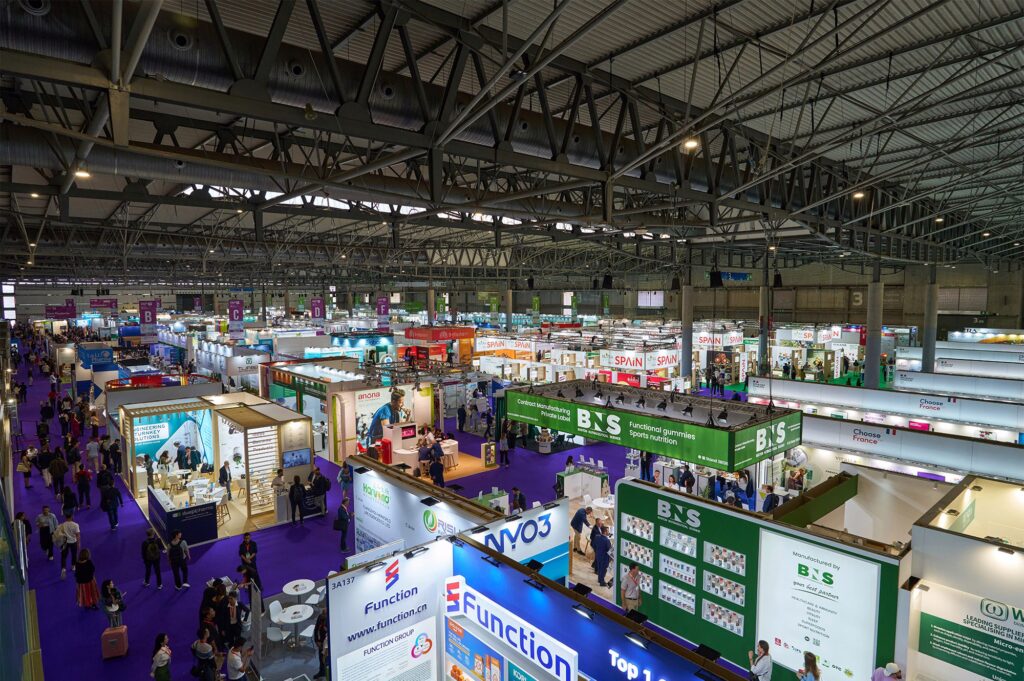
Trade show booths and corporate events run on hard deadlines that don’t move. The event date is fixed, the booth needs to be ready, and there’s no flexibility to push a print order back a few days if a vendor runs behind schedule. That reality makes trade show marketing one of the areas where in-house wide format printing delivers the most obvious peace of mind.
Here’s how businesses that attend trade shows and host corporate events regularly tend to use wide format printing, and what to plan for.
Common Trade Show and Event Materials
- Backdrop and booth banners
- Pull-up and retractable banner stands
- Table throws and branded podium graphics
- Directional and registration signage for larger events
- Step-and-repeat backdrops for photo areas
Why Deadline Certainty Matters Most Here
Missing a deadline for office signage is an inconvenience. Missing a deadline for a trade show booth means showing up without a functioning display at an event the company has likely spent significant money to attend. In-house printing removes the dependency on an outside vendor’s schedule and shipping timeline, which is often the single biggest source of risk in event marketing production.
Handling Last-Minute Changes
Event materials often need last-minute updates, a new product announcement, an updated pricing sheet, a booth partner who dropped out. In-house production means these changes can be made and printed the same day, right up until the materials need to ship or be loaded for transport, rather than being locked in weeks ahead of the event because that’s when the outside vendor’s deadline falls.
Getting Print Quality Right for Close-Up Viewing
Trade show graphics are often viewed up close by attendees walking the show floor, which puts a premium on sharp image quality and clean color, without smearing or bleed that can occur with the wrong ink and substrate combination.
Our guide on preventing smearing and ink bleed in large format prints covers common causes and how to avoid them, which matters more for booth graphics than for signage viewed from a distance.
Choosing Materials for Portability and Reuse
Event graphics often need to be packed, shipped, and reused across multiple events, which calls for more durable, flexible substrates than a one-time indoor sign.
Our overview of media types for large format printing covers the tradeoffs between materials that hold up to repeated packing and travel versus those meant for a single use.
Budgeting for a Busy Event Season
Companies that attend several trade shows a year should budget for wide format materials the same way they budget for booth space and travel, as a predictable recurring cost rather than a surprise expense each time.
Our guide on estimating cost per print for large format jobs is useful for building that budget accurately.
When It Still Makes Sense to Use an Outside Vendor
For a single major flagship event with a large, complex custom booth build, working with a specialized trade show display company may still make sense given the structural and design expertise involved. In-house wide format printing tends to deliver the most value for the recurring, standard graphics, banners, table throws, backdrops, that a company needs repeatedly across many smaller events throughout the year.
Building a Reusable Graphics Library
Companies that attend events regularly benefit from building a library of modular, reusable graphic templates, a standard backdrop layout, a table throw design, a banner stand template, that can be quickly updated with new messaging or product information rather than designed from scratch for every event. This shortens turnaround time even further and keeps a consistent brand look across every show the company attends throughout the year.
Keeping a simple inventory of existing printed materials also helps avoid unnecessary reprints. It’s common for marketing teams to lose track of what graphics already exist in storage from a previous event, printing a duplicate banner that could have been reused instead.
Transporting and Storing Event Materials Between Shows
Between events, banners and displays need to be stored somewhere they won’t get creased, faded, or damaged, which is easy to overlook when the focus is on the next upcoming show rather than the long-term condition of existing materials. Rolling rather than folding banners, using protective tubes for transport, and storing everything in a climate-controlled space all extend the useful life of graphics that represent a real production investment.
Companies that treat event graphics as reusable, well-maintained assets rather than disposable, single-use materials get considerably more value out of their in-house production investment over time.
It’s also worth keeping a simple inventory sheet noting which graphics are current versus which reference outdated pricing, products, or branding, so nobody accidentally pulls an obsolete banner out of storage for a live event.
Frequently Asked Questions
How far in advance should trade show graphics be printed?
With in-house printing, materials can often be finalized just days before an event. It’s still worth building in a small buffer for proofing and any last-minute content changes rather than printing at the absolute last moment.
Can wide format printers produce durable, reusable banner stands?
Yes, with an appropriate substrate designed for repeated rolling, packing, and travel. Standard indoor signage material may not hold up as well to this kind of repeated handling.
What resolution is needed for booth graphics viewed up close?
Booth graphics viewed within a few feet need higher resolution than signage viewed from across a room or parking lot, so it’s worth confirming your printer and file setup support the detail level needed for close viewing.
Is in-house event printing cost-effective for a company attending only one or two shows a year?
For infrequent events, the cost may not justify dedicated equipment on its own, though it can still make sense if the printer is also used for other signage and marketing needs throughout the year.
Can we reprint a banner quickly if it’s damaged during shipping to an event?
This is one of the clearest benefits of in-house printing, since a replacement can often be produced same-day rather than waiting on a vendor to rush a reprint before the event.
What’s the most common quality issue with trade show graphics?
Color inconsistency between a booth’s various graphics, printed at different times or with different settings, is a common issue. Keeping consistent color profiles and settings across a booth’s full graphics package helps avoid a mismatched look.
Never Miss an Event Deadline Again
If your trade show or event marketing has ever been at the mercy of an outside vendor’s shipping timeline, in-house wide format printing removes that risk.
Explore our wide format printers or contact us to talk through your event schedule.